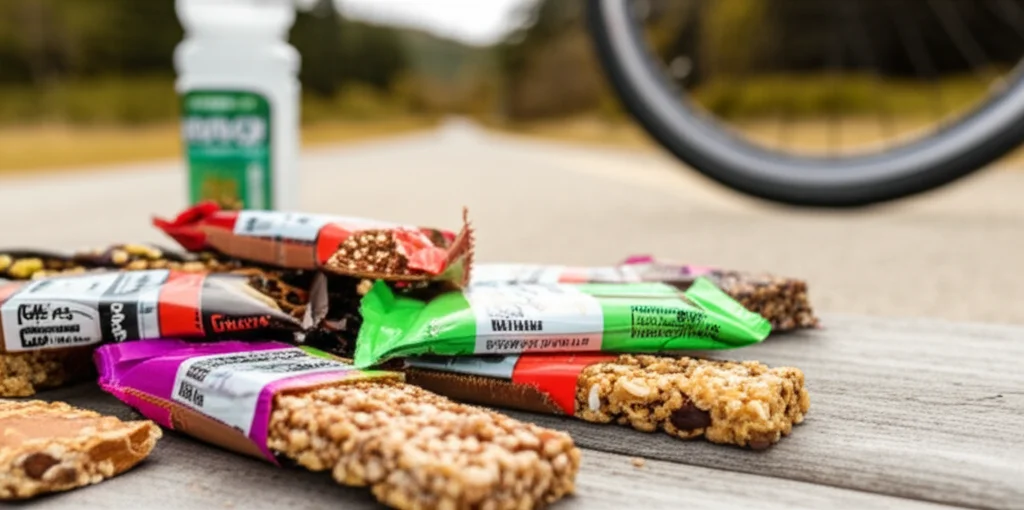
Optimizing Carbohydrate Intake with Cycling Energy Bars
Problem: Many cyclists struggle to maintain consistent energy levels on long rides due to inadequate carbohydrate intake. This leads to fatigue, reduced power output, and ultimately, a slower finish time (or worse, bonking!).
Solution: Strategically consuming carbohydrate-rich cycling energy bars can help replenish glycogen stores and provide a sustained energy release throughout your ride. Aim for bars that provide a mix of simple and complex carbohydrates for both immediate and sustained energy.
Example:
Maurten Solid C: Primarily made of rice flour, providing complex carbs for sustained release.
Honey Stinger Organic Energy Bar: Combines honey (simple carbs) with oats and other grains (complex carbs) for a balanced energy source.
Science in Sport (SiS) GO Energy Bar: Focuses on easily digestible carbohydrates, ideal for high-intensity efforts.
Consider the length and intensity of your ride when choosing the right bar. For shorter, more intense rides, a bar with a higher proportion of simple sugars might be beneficial. For longer, lower-intensity rides, opt for a bar with more complex carbohydrates and a moderate amount of fat and protein. Many find energy gels for cycling more effective during very high intensity efforts.
Maximizing Absorption
Problem: Even with the best cycling energy bars, some cyclists experience digestive discomfort, limiting carbohydrate absorption.
Solution: Practice consuming bars during training rides to assess your gut tolerance. Choose bars with natural ingredients and avoid those containing artificial sweeteners or excessive fiber, which can contribute to GI distress. Stay hydrated.
Example:
Experiment During Training: Before your next big ride, test a few different cycling energy bars during a less critical training session to see how your body responds. Pay attention to how you feel both during and after the ride.
Choose Easily Digestible Options: Some cyclists find that bars with dates or rice as the main ingredient are easier to digest than those with nuts or seeds.
Proper Hydration: Always consume your cycling energy bars with plenty of water. Dehydration can slow down digestion and increase the risk of GI issues.
Balancing Electrolytes with Cycling Energy Bars
Problem: Prolonged cycling leads to significant electrolyte loss through sweat, potentially causing muscle cramps, fatigue, and decreased performance. Many cyclists focus heavily on carbs but neglect electrolyte replenishment.
Solution: Look for cycling energy bars that contain electrolytes like sodium, potassium, and magnesium to help replace those lost through sweat. Alternatively, supplement with electrolyte tablets or sports drinks alongside your bar consumption.
Example:
Clif Bar: While primarily a carbohydrate source, Clif Bars contain a small amount of sodium and potassium, contributing to electrolyte balance.
SaltStick Fastchews: While not a bar, these chewable tablets provide a concentrated dose of electrolytes to supplement your cycling energy bars.
Consider your sweat rate and the environmental conditions when determining your electrolyte needs. Hot and humid weather will increase sweat loss and, therefore, your electrolyte requirements.
Sodium's Crucial Role
Problem: Sodium is particularly important for cyclists, as it's the primary electrolyte lost in sweat. Insufficient sodium can lead to hyponatremia (low blood sodium levels), a dangerous condition that can cause nausea, confusion, and even seizures.
Solution: Prioritize cycling energy bars that contain a significant amount of sodium, especially for longer rides in hot conditions.
Example:
Read the Label: Always check the nutrition label for the sodium content. Aim for bars that provide at least 100-200mg of sodium per serving.
Supplement if Needed: If your chosen cycling energy bars don't provide enough sodium, consider adding a pinch of salt to your water bottle or using electrolyte tablets.
Timing Your Energy Bar Consumption
Problem: Eating a cycling energy bar too close to the start of your ride can lead to digestive discomfort, while waiting too long to fuel can result in premature fatigue.
Solution: Experiment to find the optimal timing for you, but generally, aim to consume an energy bar 1-2 hours before your ride, allowing sufficient time for digestion. During longer rides, consume a bar or energy gels cycling every 45-60 minutes to maintain consistent energy levels.
Example:
Pre-Ride Meal Replacement: If you're short on time before an early morning ride, a cycling energy bar can serve as a convenient meal replacement. Choose a bar with a balanced macronutrient profile (carbs, protein, and fat) and consume it 1-2 hours before you start pedaling.
Mid-Ride Fueling: For rides lasting longer than 90 minutes, start consuming energy bars or energy gels for cycling within the first hour and continue to do so every 45-60 minutes.
Listen to Your Body: Pay attention to how you feel during your ride and adjust your fueling strategy accordingly. Some cyclists may need to eat more frequently, while others may be able to go longer between fueling.
The Impact of Ride Intensity
Problem: The intensity of your ride impacts your body's ability to digest and absorb nutrients. High-intensity efforts divert blood flow away from the digestive system, making it harder to process solid foods like cycling energy bars.
Solution: For high-intensity rides or races, prioritize easily digestible energy gels for cycling or liquid fuel sources over solid bars. Save the bars for lower-intensity periods or longer, less demanding rides.
Example:
High-Intensity Intervals: During interval training, stick to energy gels cycling or sports drinks for quick energy.
Long, Steady-State Rides: Cycling energy bars are a great option for longer rides at a consistent pace.
Considering Individual Needs and Preferences
Problem: Not all cyclists respond to cycling energy bars in the same way. Factors such as gut sensitivity, dietary restrictions, and personal preferences can influence your choice.
Solution: Experiment with different brands and flavors to find what works best for you. If you have a sensitive stomach, opt for bars with simple, natural ingredients and avoid artificial sweeteners or excessive fiber. If you have dietary restrictions, look for bars that are gluten-free, dairy-free, or vegan.
Example:
Gluten-Free Options: Many brands offer gluten-free cycling energy bars, such as those made with rice flour or other gluten-free grains.
Vegan Options: Look for bars that are made with plant-based ingredients and avoid those containing honey or dairy.
Taste Preferences: Find a bar that you actually enjoy eating! A palatable bar is more likely to be consumed consistently, leading to better fueling.
Staying Hydrated is Key
Problem: Many cyclists focus solely on the bar itself and don't consider hydration in conjunction with the bar.
Solution: Always consume your bars with water. Dehydration can significantly impact digestion and energy levels.
Example:
Plan Your Hydration: Calculate how much water you need based on the length and intensity of your ride, and make sure to carry enough with you.
Pair Your Bar with Water: Always consume your cycling energy bar with at least 8-12 ounces of water.
Expert Insight
Many cyclists mistakenly believe that any energy bar will suffice for long rides. However, focusing solely on carbohydrate content ignores crucial factors like digestibility, electrolyte balance, and individual tolerance. The key is to treat fueling as a personalized strategy, experimenting with different bars during training to identify the options that optimize your performance and minimize GI distress. Don’t be afraid to ditch a popular brand if it doesn’t sit well with your stomach. Remember also that while cycling energy bars are convenient, they shouldn't replace whole foods entirely. Think of them as a supplement to a well-balanced diet designed for endurance cycling.
Action Steps
Inventory Your Current Bars: Take a look at the cycling energy bars you currently use. Analyze their nutritional content, focusing on carbohydrate sources, electrolyte levels, and potential allergens or irritants.
Experiment with New Options: Based on the information in this article, identify 2-3 new cycling energy bars that you'd like to try. Purchase single bars to test them out during training rides.
Dial In Your Timing: Experiment with different timings for consuming your cycling energy bars. Find what works best for your digestion and energy levels.
Hydrate Consistently: Make sure you are adequately hydrated before, during, and after your rides.
Personalize Your Fueling Plan: Log your rides, noting which bars you used, when you consumed them, and how you felt both during and after the ride. This will help you fine-tune your fueling plan and identify the energy gels cycling that best support your performance.
Ready to take your cycling nutrition to the next level? Contact us today for a personalized fueling plan tailored to your individual needs and goals. We can help you optimize your performance and achieve your cycling dreams.