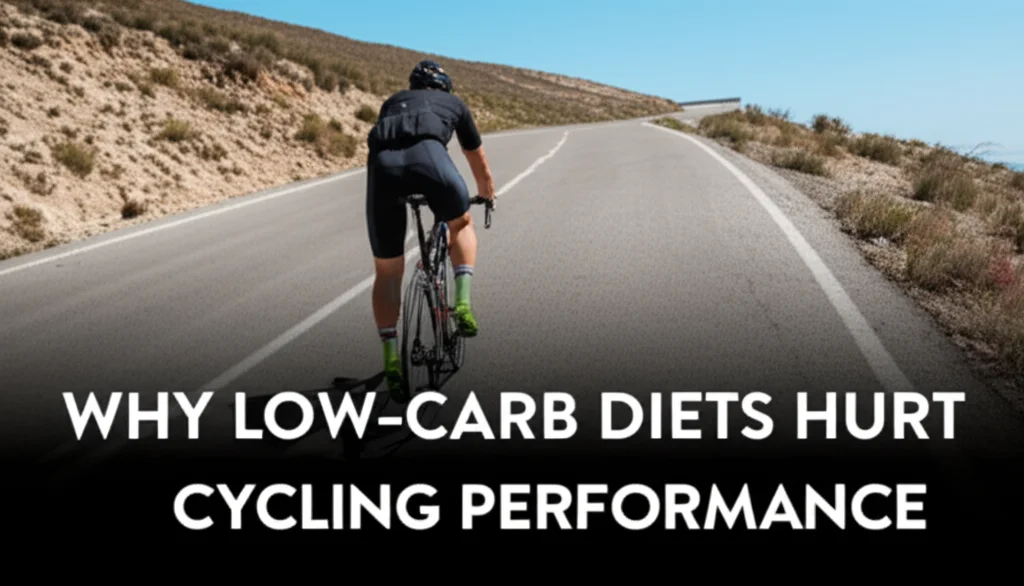
Low carb cycling seems like a great way to shed weight and boost endurance, right? Wrong. Studies show that cyclists on low-carb diets can experience a significant drop in power output, up to 5-10%, especially during high-intensity efforts. If you're serious about improving your performance on the bike, ignoring the vital role of carbohydrates could be the biggest mistake you're making.
This article will explain why carbohydrates are essential for cyclists and how restricting them can negatively impact your performance. We'll explore the science behind carb fueling, discuss how to optimize your intake for different types of rides, and debunk common myths surrounding low-carb diets for endurance athletes. As experts in cycling nutrition, we at [Project: Nutrition - remember to customize this if you have a specific brand name] have helped countless athletes optimize their fueling strategies for peak performance, and we're here to guide you toward a balanced and effective approach. We'll cover:
- The detrimental effects of low-carb diets on glycogen stores and energy availability.
- How to strategically time your carbohydrate intake for training and racing.
- Practical tips for incorporating more carbs into your diet without sacrificing overall health.
The Performance Pitfalls of Low-Carb Diets for Cyclists
The allure of low-carb diets for weight loss is understandable, but for cyclists, the drawbacks far outweigh any potential benefits. Reduced carbohydrate intake translates directly to depleted glycogen stores, which are your muscles' primary source of fuel for high-intensity activities.
Problem: Low-carb diets limit glycogen stores, reducing your ability to sustain high-intensity efforts. Without sufficient glycogen, you'll experience decreased power output, faster fatigue, and ultimately, slower times. Imagine trying to climb a steep hill with your legs already feeling heavy and depleted. That's the reality of low-carb cycling.
Solution: Prioritize carbohydrate intake, especially around training and racing. Focus on easily digestible sources like fruits, grains, and sports drinks to replenish glycogen and fuel your muscles. Understanding the glycemic index (GI) of foods can also help in making informed choices.
Example: A cyclist attempting a long, hilly ride on a low-carb diet might initially feel okay due to fat adaptation. However, as the intensity increases on the climbs, their glycogen stores will quickly deplete, leading to a significant drop in power and an inability to maintain pace. Conversely, a cyclist properly fueled with carbohydrates will be able to tackle the climbs with sustained power and endurance.
Understanding Glycogen and Its Role in Cycling
Glycogen is the stored form of glucose (sugar) in your muscles and liver. Think of it as your body's readily available fuel tank for intense activity. Depleting glycogen stores is like running out of gas halfway through a race.
Problem: When you drastically restrict carbohydrates, your glycogen stores become chronically depleted. This impairs your ability to perform at high intensities and hinders your recovery after rides. You might feel sluggish, weak, and mentally fatigued.
Solution: Replenish glycogen stores through adequate carbohydrate intake. The amount you need depends on your training volume and intensity, but a general guideline is 3-5 grams of carbohydrates per kilogram of body weight per day for moderate training and 5-8 grams for intense training.
Example: A cyclist weighing 70kg engaging in a high-intensity training block should aim for around 350-560 grams of carbohydrates daily. This could include oatmeal for breakfast, a banana and energy bar during a ride, rice and vegetables for lunch, and pasta with lean protein for dinner. This ensures sufficient glycogen replenishment for optimal performance.
Carb Timing: Fueling Before, During, and After Rides
Timing your carbohydrate intake is just as important as the quantity. Strategic fueling around your rides can significantly enhance your performance and recovery.
- Before: Consume a carbohydrate-rich meal or snack 1-3 hours before your ride to top off glycogen stores. Good options include oatmeal, toast with jam, or a banana.
- During: For rides lasting longer than 90 minutes, consume 30-60 grams of carbohydrates per hour through sports drinks, gels, chews, or real food like bananas or dates.
- After: Replenish glycogen stores within 30-60 minutes after your ride with a combination of carbohydrates and protein. This could be a protein shake with fruit, yogurt with granola, or a sandwich with lean meat.
Busting the Myth of Fat Adaptation for Cyclists
While fat adaptation (training your body to primarily use fat for fuel) can be beneficial for ultra-endurance events, it's not optimal for most cyclists. High-intensity cycling heavily relies on glycogen, and trying to rely solely on fat as fuel will limit your power output.
Problem: Relying solely on fat for fuel during high-intensity cycling limits your ability to sustain power and speed. Fat oxidation is a slower process than glycogen breakdown, meaning your muscles can't access energy as quickly.
Solution: Embrace a balanced approach that prioritizes carbohydrates for high-intensity efforts and allows for fat adaptation during lower-intensity rides. This hybrid approach provides the best of both worlds: sustained energy for longer rides and readily available fuel for sprints and climbs.
Example: A professional cyclist preparing for a stage race might incorporate long, low-intensity rides fueled primarily by fat to improve fat oxidation. However, they would still prioritize carbohydrate intake during intense training sessions and races to maximize power output and performance. This balanced fueling strategy ensures optimal energy availability for all types of efforts.
Understanding Carbohydrate Quality and Sources
Not all carbohydrates are created equal. Choosing the right types of carbs is crucial for optimizing performance and overall health.
- Simple Carbohydrates: Provide quick energy, ideal for fueling during rides or replenishing glycogen stores immediately afterward. Examples include fruits, sports drinks, and gels.
- Complex Carbohydrates: Offer sustained energy and are a good choice for pre-ride meals or snacks. Examples include oats, brown rice, whole-wheat bread, and sweet potatoes.
Problem: Consuming too many processed or refined carbohydrates can lead to energy crashes, digestive issues, and inflammation.
Solution: Focus on whole, unprocessed carbohydrate sources like fruits, vegetables, whole grains, and legumes. These provide sustained energy, essential nutrients, and fiber for optimal digestion.
Example: Instead of relying on processed energy bars filled with artificial ingredients, opt for a homemade energy bar made with oats, nuts, seeds, and dried fruit. This provides a balanced source of carbohydrates, healthy fats, and protein for sustained energy during long rides.
Expert Insight
One of the biggest mistakes cyclists make is thinking that low-carb automatically equals healthy. While reducing processed sugars is generally a good idea, drastically cutting out complex carbohydrates can severely hinder your performance. The key is to find a balance that works for your individual needs and training goals. Don't be afraid to experiment with different carbohydrate sources and timing strategies to see what fuels you best. Remember, your body is unique, and what works for one cyclist might not work for another.
Action Steps
Ready to optimize your carbohydrate intake for cycling performance? Here are some actionable steps you can take today:
- Calculate your carbohydrate needs: Use the guideline of 3-8 grams of carbohydrates per kilogram of body weight, depending on your training intensity.
- Experiment with carb timing: Try consuming carbohydrates before, during, and after your rides and track how it affects your energy levels and performance.
- Choose whole, unprocessed carbohydrate sources: Focus on fruits, vegetables, whole grains, and legumes for sustained energy and optimal health.
- Monitor your energy levels and performance: Pay attention to how different carbohydrate intake strategies affect your power output, fatigue, and overall well-being.
- Consider a personalized nutrition plan: If you're struggling to optimize your carbohydrate intake, schedule a consultation with one of our certified nutritionists at [Project: Nutrition] for a tailored plan that meets your specific needs and goals.