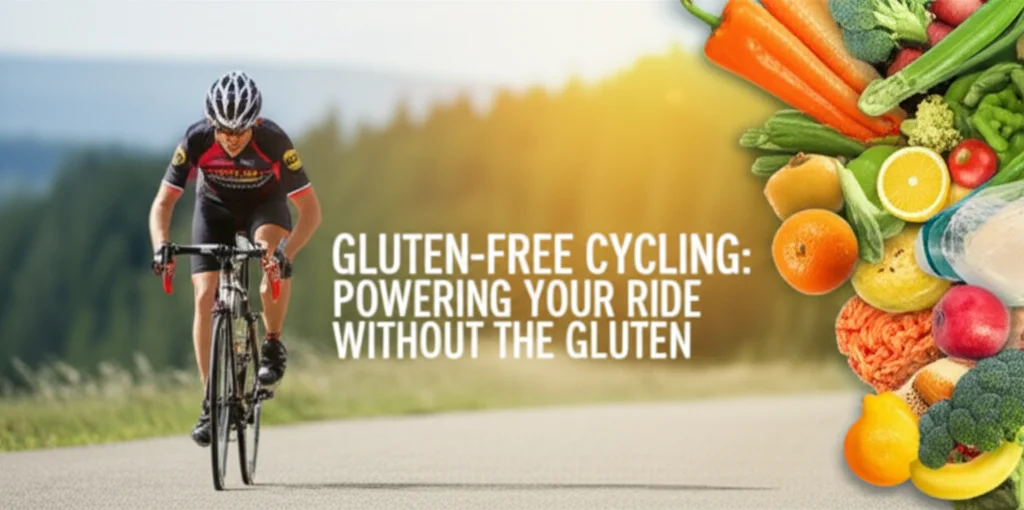
Gluten-Free Cycling: Powering Your Ride Without the Gluten - A Guide
Gluten-Free Cycling: Powering Your Ride Without the Gluten: Quick Answer
For cyclists with gluten sensitivities or celiac disease, a gluten-free diet can significantly improve energy levels and performance by eliminating gastrointestinal distress and nutrient malabsorption. By focusing on naturally gluten-free foods like fruits, vegetables, lean proteins, and gluten-free grains such as quinoa and rice, cyclists can fuel their training effectively. This guide provides practical tips and meal ideas to optimize your performance with gluten-free energy, addressing the unique needs of the gluten-free athlete and those experiencing cycling gluten intolerance.
Why This Matters for [Target Audience]
As a cyclist, experiencing digestive issues or fatigue can drastically impact your training and race performance. If you suspect a gluten sensitivity or have been diagnosed with celiac disease, adapting your diet to be gluten-free isn't just about managing symptoms; it's about unlocking your full athletic potential and enjoying your rides without discomfort. This guide helps you navigate the dietary changes necessary for optimal gluten-free cycling.
Definition / Fundamentals
Gluten is a protein found in wheat, barley, and rye. Celiac disease is an autoimmune disorder triggered by gluten ingestion, leading to damage in the small intestine. Gluten sensitivity, also known as non-celiac gluten sensitivity, causes similar symptoms without the intestinal damage.
How It Works / Key Mechanics
When a cyclist with celiac disease or gluten sensitivity consumes gluten, the immune system reacts, causing inflammation in the digestive tract. This inflammation can hinder nutrient absorption, leading to fatigue, muscle weakness, and reduced endurance. A gluten-free diet eliminates this trigger, allowing the body to heal and absorb nutrients effectively, which translates to improved energy levels and performance during cycling.
Step-by-Step Process
- Consult a Healthcare Professional: Get tested for celiac disease or gluten sensitivity before making drastic dietary changes. A doctor or registered dietitian can provide personalized advice.
- Read Food Labels Carefully: Become proficient at identifying gluten-containing ingredients. Look for certified gluten-free labels and be wary of hidden sources of gluten.
- Replace Gluten-Containing Grains: Substitute wheat-based products with gluten-free alternatives like rice, quinoa, oats (certified gluten-free), corn, and tapioca.
- Plan Your Meals and Snacks: Ensure you have access to gluten-free options before, during, and after your rides. Prepare meals and snacks in advance to avoid unhealthy, gluten-containing choices.
- Stay Hydrated: Dehydration can exacerbate digestive issues. Drink plenty of water throughout the day and during your rides.
- Listen to Your Body: Pay attention to how different foods affect you. Keep a food journal to track your symptoms and identify potential triggers.
Common Mistakes
- Cross-Contamination: Failing to prevent cross-contamination during food preparation can expose you to gluten. Use separate cutting boards, utensils, and toasters for gluten-free foods.
- Hidden Sources of Gluten: Overlooking gluten in unexpected places like sauces, condiments, and processed foods. Always read labels carefully.
- Insufficient Nutrient Intake: Replacing gluten-containing foods without ensuring adequate nutrient intake can lead to deficiencies. Focus on a balanced diet rich in fruits, vegetables, and lean proteins.
- Ignoring Symptoms: Dismissing persistent digestive issues or fatigue, potentially delaying diagnosis and proper treatment.
Variations & Edge Cases
Athletes engaging in long-distance cycling may need to adjust their carbohydrate intake while maintaining a gluten-free diet. Experiment with different gluten-free energy sources like energy gels, chews, and homemade options to find what works best for you during endurance events. Different individuals may also react differently to certain gluten-free grains, requiring personalized dietary adjustments.
Key Questions Answered
What are the symptoms of cycling gluten intolerance?
Symptoms of cycling gluten intolerance can include bloating, abdominal pain, diarrhea, fatigue, and brain fog, which can all negatively impact performance. These symptoms often occur after consuming gluten-containing foods before or during a ride.
How can a gluten-free athlete ensure adequate carbohydrate intake for cycling?
A gluten-free athlete can ensure adequate carbohydrate intake by focusing on gluten-free grains like rice, quinoa, and certified gluten-free oats, as well as starchy vegetables like potatoes and sweet potatoes. Energy gels and chews specifically formulated to be gluten-free can also be used during rides.
What are some gluten-free energy gel options for cyclists?
Many brands offer gluten-free energy gels formulated with ingredients like maltodextrin, fructose, and electrolytes. Look for certified gluten-free labels to ensure the product is safe for those with celiac disease or gluten sensitivity.
Can a gluten-free diet improve cycling performance?
For cyclists with celiac disease or gluten sensitivity, a gluten-free diet can significantly improve performance by reducing gastrointestinal distress and improving nutrient absorption. This leads to increased energy levels, reduced fatigue, and better overall health.
What are some good gluten-free pre-ride meal options?
Good gluten-free pre-ride meal options include rice porridge with fruit, gluten-free oatmeal with nuts and seeds, or a sweet potato with avocado and a fried egg. These meals provide sustained energy without causing digestive discomfort.
How can I avoid cross-contamination when preparing gluten-free meals for cycling?
To avoid cross-contamination, use separate cutting boards, utensils, and cookware for gluten-free foods. Thoroughly clean surfaces and equipment before preparing gluten-free meals, and store gluten-free ingredients separately from gluten-containing ones.
What are some gluten-free snack ideas for long cycling rides?
Gluten-free snack ideas for long cycling rides include rice cakes with nut butter, gluten-free energy bars, dried fruit, and homemade energy bites made with oats, nuts, and seeds. These snacks provide a convenient and easily digestible source of energy.
Key Takeaways
- Adopting a gluten-free diet can significantly improve energy levels and reduce digestive distress for cyclists with celiac disease or gluten sensitivity.
- Prioritize naturally gluten-free whole foods like fruits, vegetables, lean proteins, and gluten-free grains to fuel your rides effectively.
- Carefully read food labels and avoid cross-contamination to prevent accidental gluten exposure.
- Consult with a healthcare professional or registered dietitian to create a personalized gluten-free cycling nutrition plan.
- Experiment with different gluten-free energy sources to find what works best for your body during training and races.
- Stay hydrated and listen to your body to optimize your performance and well-being.
- Properly managing your diet ensures optimal nutrient absorption and sustained energy throughout your cycling activities.
Next Step
By understanding the impact of gluten on your body and implementing these strategies, you can optimize your performance and enjoy cycling without the discomfort of gluten intolerance. Download our comprehensive gluten-free cycling meal plan to get started on the path to better energy and improved rides.