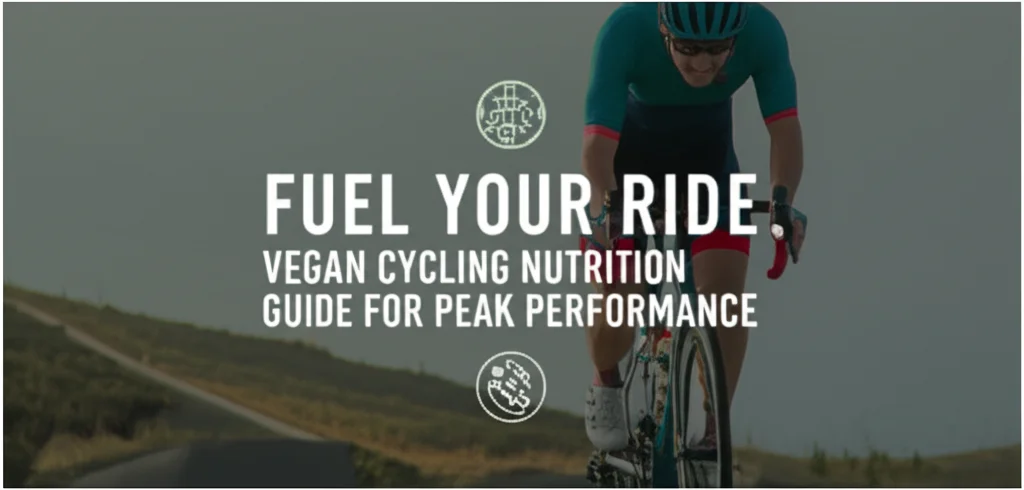
Optimizing cycling performance on a vegan diet requires careful planning to ensure adequate intake of energy, macronutrients, and micronutrients. This vegan cycling nutrition guide emphasizes carbohydrate loading for endurance, sufficient protein intake from plant-based sources for muscle repair and growth, and strategic supplementation of nutrients like vitamin B12, iron, and omega-3 fatty acids to support overall health and cycling performance. A well-structured plant-based cycling diet can effectively fuel training and races, promoting peak athletic performance.
Why This Matters for [Target Audience]
For cyclists, nutrition is the cornerstone of performance, influencing everything from endurance and power output to recovery and overall health. Vegan cyclists face unique challenges and opportunities in meeting their nutritional needs. Understanding how to optimize your plant-based cycling diet ensures you're getting the right fuel to crush your personal best, recover effectively, and sustain long-term health while adhering to your ethical values.
Key Mechanics
Vegan cycling nutrition revolves around strategically managing macronutrient intake (carbohydrates, proteins, and fats) and micronutrient needs (vitamins and minerals) through plant-based foods and supplementation. Carbohydrates are the primary fuel source for cycling, requiring a focus on complex carbohydrates before, during, and after rides to maintain glycogen stores. Protein is crucial for muscle repair and growth, necessitating careful selection of plant-based protein sources like legumes, tofu, tempeh, and seeds. Fats provide essential fatty acids and energy, with an emphasis on healthy unsaturated fats from avocados, nuts, seeds, and olive oil.
Key Trade-offs
FactorAdvantageDisadvantageMacronutrient PlanningProvides sustained energy and supports muscle recovery.Requires diligent meal planning to ensure balanced intake.Protein SourcesEthically sourced and potentially lower in saturated fat.Can be more challenging to obtain complete protein profiles from single sources.SupplementationAddresses potential nutrient deficiencies (B12, iron, omega-3s).Requires research to identify appropriate dosages and high-quality supplements.
Step-by-Step Process
Assess Energy Needs: Calculate your daily calorie needs based on your training volume and intensity, using online calculators or consulting a sports nutritionist.
Plan Macronutrient Ratios: Determine your ideal macronutrient ratios, generally emphasizing carbohydrates (55-65%), moderate protein (15-20%), and healthy fats (20-30%).
Choose Plant-Based Protein Sources: Incorporate a variety of plant-based protein sources into your diet, such as legumes, tofu, tempeh, seitan, nuts, seeds, and quinoa, to ensure you’re getting a complete amino acid profile.
Prioritize Complex Carbohydrates: Focus on complex carbohydrates like whole grains, fruits, and vegetables for sustained energy.
Incorporate Healthy Fats: Include sources of healthy fats like avocados, nuts, seeds, and olive oil for energy and hormone regulation.
Plan Pre-Ride, During-Ride, and Post-Ride Nutrition: Develop a nutrition strategy for each phase of your ride, focusing on easily digestible carbohydrates before and during, and protein and carbohydrates after to aid recovery.
Consider Supplementation: Assess your need for supplements like vitamin B12, iron, vitamin D, calcium, and omega-3 fatty acids, and consult with a healthcare professional or registered dietitian to determine appropriate dosages.
Monitor and Adjust: Track your performance and energy levels and adjust your nutrition plan accordingly to optimize your results.
Worked Example or Calculation
Let's say a cyclist requires 3000 calories per day. A typical macronutrient split for a vegan athlete might be 60% carbohydrate, 20% protein, and 20% fat.
Carbohydrates: 3000 calories * 0.60 = 1800 calories. Since carbohydrates provide 4 calories per gram, this equates to 1800 / 4 = 450 grams of carbohydrates per day.
Protein: 3000 calories * 0.20 = 600 calories. Since protein provides 4 calories per gram, this equates to 600 / 4 = 150 grams of protein per day.
Fat: 3000 calories * 0.20 = 600 calories. Since fat provides 9 calories per gram, this equates to 600 / 9 = 67 grams of fat per day.
Common Mistakes
Insufficient Calorie Intake: Underestimating energy expenditure during training, leading to fatigue and reduced performance.
Inadequate Protein Consumption: Neglecting to consume enough plant-based protein to support muscle repair and growth.
Failing to Plan Meals Strategically: Not planning pre-ride, during-ride, and post-ride nutrition, resulting in energy crashes and delayed recovery.
Ignoring Micronutrient Needs: Overlooking the importance of essential micronutrients like vitamin B12, iron, vitamin D, and calcium, which can impact overall health and performance.
Relying on Processed Vegan Foods: Over-consuming processed vegan foods that are high in sodium, sugar, and unhealthy fats, which can negatively impact health and performance.
Variations & Edge Cases
Endurance Events: For multi-day cycling events, carbohydrate loading in the days leading up to the race and strategic fueling during the event are crucial.
High-Intensity Training: During periods of high-intensity training, protein needs may be increased to support muscle recovery.
Iron Deficiency: Female athletes and individuals with a history of iron deficiency should pay close attention to their iron intake and consider supplementation.
Travel: Traveling can disrupt meal planning. Pre-packing vegan snacks and researching vegan-friendly restaurants can help maintain consistent nutrition.
Key Questions Answered
What are the best vegan protein sources for cyclists?
The best vegan protein sources include legumes (beans, lentils, peas), tofu, tempeh, seitan, quinoa, nuts, seeds, and nutritional yeast. Combining different sources throughout the day ensures you get a complete amino acid profile essential for muscle repair and growth.
How much protein do I need as a vegan cyclist?
Vegan cyclists generally need 1.2-1.7 grams of protein per kilogram of body weight per day, depending on training intensity and volume. For example, a 70 kg cyclist would need 84-119 grams of protein daily.
What are some good vegan pre-ride meals or snacks?
Good vegan pre-ride meals or snacks include oatmeal with fruit and nuts, whole-wheat toast with avocado and banana, or a smoothie with plant-based protein powder and berries. These options provide carbohydrates for energy and some protein for muscle support.
What should I eat during a long cycling ride?
During a long cycling ride, focus on easily digestible carbohydrates such as energy gels, chews, or homemade snacks like dates or banana slices. Aim for 30-60 grams of carbohydrates per hour, adjusting based on intensity and duration.
What are some good vegan post-ride recovery meals?
Good vegan post-ride recovery meals include a smoothie with plant-based protein powder, fruit, and spinach, or a bowl of quinoa with roasted vegetables and tofu. These meals provide carbohydrates to replenish glycogen stores and protein to repair muscle tissue.
Do vegan cyclists need to take supplements?
Vegan cyclists should consider supplementing with vitamin B12, vitamin D, iron, calcium, and omega-3 fatty acids, as these nutrients can be more challenging to obtain in sufficient quantities from a plant-based diet. Consulting with a healthcare professional is crucial to determine individual needs.
How can I ensure I'm getting enough iron as a vegan cyclist?
To ensure adequate iron intake, consume iron-rich foods like lentils, beans, spinach, and fortified cereals. Pairing these foods with vitamin C-rich foods like citrus fruits, bell peppers, and broccoli enhances iron absorption.
What is carbohydrate loading, and how does it benefit vegan cyclists?
Carbohydrate loading involves increasing carbohydrate intake in the days leading up to an endurance event to maximize glycogen stores in the muscles. This benefits vegan cyclists by providing a readily available energy source for sustained performance during long rides or races.
Can a vegan diet support optimal cycling performance?
Yes, a well-planned vegan diet can absolutely support optimal cycling performance by providing sufficient energy, macronutrients, and micronutrients. Careful attention to protein intake, nutrient timing, and supplementation is essential.
How do I fuel for a vegan cycling race?
For vegan race nutrition, focus on carbohydrate loading in the days leading up to the race, consuming easily digestible carbohydrates during the race (gels, chews, bananas), and prioritizing a recovery meal with protein and carbohydrates immediately after.
Key Takeaways
A well-planned vegan cycling nutrition strategy can effectively fuel training and races, supporting peak athletic performance.
Prioritize carbohydrate intake to replenish glycogen stores and sustain energy levels during rides.
Ensure adequate protein intake from diverse plant-based sources to support muscle repair and growth.
Consider supplementation of key nutrients like vitamin B12, iron, and omega-3 fatty acids to address potential deficiencies.
Plan pre-ride, during-ride, and post-ride nutrition to optimize performance and recovery.
Pay close attention to micronutrient needs, including iron, calcium, and vitamin D, to maintain overall health.
Monitor your performance and energy levels and adjust your nutrition plan accordingly to achieve your goals.
Next Step
Optimizing your cycling performance with a vegan diet requires a strategic and informed approach. Take the next step in fueling your ride by consulting with a registered dietitian specializing in sports nutrition to create a personalized plan that meets your individual needs and goals.