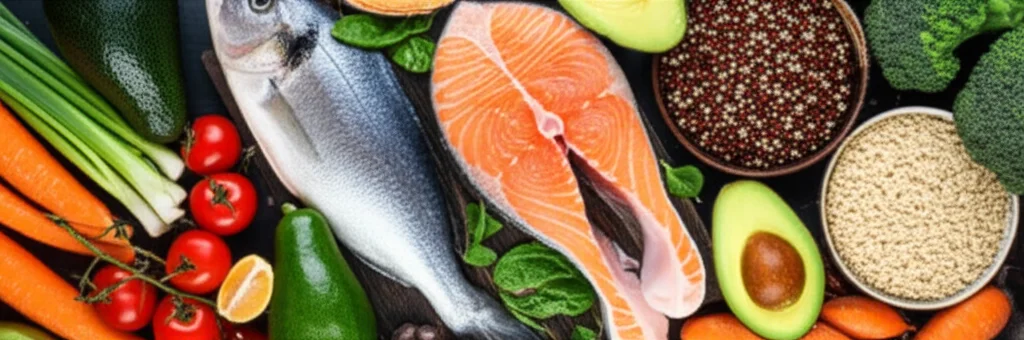
Understanding the Nutritional Demands of Altitude Cycling
Cycling at altitude presents unique challenges that demand a strategic nutritional approach. The reduced partial pressure of oxygen at higher elevations forces the body to work harder, leading to increased energy expenditure and oxidative stress. This means your dietary needs shift significantly compared to training at sea level. Understanding these shifts is paramount for maintaining performance and preventing fatigue.
One of the key adjustments required is a significant increase in carbohydrate intake. Research suggests that cyclists training at altitude should aim for carbohydrates comprising 60-70% of their total daily calories [^1^]. This increased reliance on carbohydrates stems from the body's preference for this fuel source when oxygen is limited. Carbohydrates are more oxygen-efficient during metabolism compared to fats.
Additionally, altitude exposure triggers an increase in red blood cell production to compensate for lower oxygen availability. This process increases the demand for iron. Ensure your high altitude cycling diet includes iron-rich foods. Furthermore, the increased oxidative stress from altitude training necessitates a higher intake of antioxidants to protect your cells from damage.
- Increased Energy Expenditure: Higher altitude means your body burns more calories.
- Increased Carbohydrate Demand: Carbs become the primary fuel source.
- Increased Iron Demand: Essential for red blood cell production.
- Increased Antioxidant Demand: Combat oxidative stress.
Sample 7-Day Altitude Cycling Meal Plan: Day-by-Day Breakdown
This 7-day meal plan is designed to provide the necessary nutrients to fuel your altitude cycling training. Remember to adjust portion sizes based on your individual energy expenditure and training intensity.
Day 1:
- Breakfast: Oatmeal with berries, nuts, and seeds. (Carbohydrates, antioxidants, healthy fats)
- Mid-Morning Snack: Banana with peanut butter. (Carbohydrates, protein)
- Lunch: Quinoa salad with roasted vegetables and grilled chicken or tofu. (Complex carbohydrates, protein, vitamins)
- Mid-Afternoon Snack: Greek yogurt with fruit. (Protein, carbohydrates)
- Dinner: Sweet potato and black bean chili with avocado. (Complex carbohydrates, protein, healthy fats)
Day 2:
- Breakfast: Scrambled eggs with spinach and whole-wheat toast. (Protein, iron, carbohydrates)
- Mid-Morning Snack: Apple slices with almond butter. (Carbohydrates, healthy fats)
- Lunch: Turkey or vegetarian wrap with hummus and mixed greens. (Protein, carbohydrates, vitamins)
- Mid-Afternoon Snack: Rice cakes with avocado and a sprinkle of salt. (Carbohydrates, healthy fats)
- Dinner: Baked salmon with roasted broccoli and quinoa. (Protein, healthy fats, complex carbohydrates)
Day 3:
- Breakfast: Smoothie with spinach, banana, berries, and protein powder. (Vitamins, antioxidants, protein, carbohydrates)
- Mid-Morning Snack: Hard-boiled egg and a small handful of almonds. (Protein, healthy fats)
- Lunch: Lentil soup with whole-grain bread. (Protein, complex carbohydrates, fiber)
- Mid-Afternoon Snack: Orange. (Vitamin C, carbohydrates)
- Dinner: Chicken stir-fry with brown rice and plenty of vegetables. (Protein, complex carbohydrates, vitamins)
Day 4:
- Breakfast: Whole-wheat pancakes with fruit and a drizzle of maple syrup. (Carbohydrates, vitamins)
- Mid-Morning Snack: Trail mix with nuts, seeds, and dried fruit. (Healthy fats, protein, carbohydrates)
- Lunch: Leftover chicken stir-fry.
- Mid-Afternoon Snack: Cottage cheese with pineapple. (Protein, carbohydrates)
- Dinner: Pasta with marinara sauce, lean ground beef or plant-based protein, and a side salad. (Complex carbohydrates, protein, vitamins)
Day 5:
- Breakfast: Greek yogurt with granola and berries. (Protein, carbohydrates, antioxidants)
- Mid-Morning Snack: Apple with cheese. (Carbohydrates, protein, healthy fats)
- Lunch: Large salad with grilled chicken or fish, mixed greens, and a variety of vegetables. (Protein, vitamins)
- Mid-Afternoon Snack: Protein bar. (Protein, carbohydrates)
- Dinner: Pizza on whole wheat crust with vegetables and lean protein. (Carbohydrates, protein, vitamins)
Day 6:
- Breakfast: Oatmeal with dried fruit and nuts.
- Mid-Morning Snack: Cottage Cheese with sliced peaches.
- Lunch: Chicken and vegetable skewers served with brown rice.
- Mid-Afternoon Snack: A handful of almonds.
- Dinner: Vegetarian Curry with chickpeas and brown rice.
Day 7:
- Breakfast: Whole wheat toast with avocado and poached eggs.
- Mid-Morning Snack: A smoothie with protein powder and fruit.
- Lunch: Tuna salad sandwich on whole wheat bread.
- Mid-Afternoon Snack: Banana with peanut butter.
- Dinner: Roast chicken with roasted vegetables (sweet potatoes, carrots, broccoli).
Remember to adjust this plan based on the intensity and duration of your rides. Incorporate pre-ride snacks (e.g., banana, energy bar), during-ride fuel (e.g., energy gels, chews, sports drink), and post-ride recovery meals (e.g., protein shake with carbohydrates) as needed.
Key Recipes for Altitude Cycling Performance
Here are a few recipes that are particularly beneficial for cyclists training at altitude:
- Sweet Potato Energy Bites: Combine cooked sweet potato, oats, nut butter, dates, and chia seeds. Roll into bite-sized balls for a carbohydrate-rich and easy-to-digest snack.
- Quinoa Power Bowl: Cook quinoa and top with roasted vegetables, grilled chicken or tofu, avocado, and a tahini dressing. This provides complex carbohydrates, protein, and healthy fats.
- Iron-Rich Smoothie: Blend spinach, berries, banana, protein powder, and a source of iron (like spirulina or iron-fortified cereal).
Hydration Strategies for High-Altitude Cycling
Dehydration is a significant concern at altitude. The lower humidity and increased respiratory rate contribute to greater fluid loss. Prioritize hydration by:
- Drinking Water Regularly: Aim to drink water consistently throughout the day, not just during rides.
- Electrolyte Drinks: Replenish electrolytes lost through sweat, especially sodium and potassium.
- Monitoring Urine Color: Light yellow urine indicates adequate hydration.
- Pre-Hydration: Before a ride, drink 16-20 ounces of water or sports drink [^2^].
- During-Ride Hydration: Consume 4-8 ounces of fluid every 15-20 minutes during exercise.
Adjusting the Meal Plan for Individual Needs
This meal plan serves as a template. Individual needs vary depending on factors such as:
- Training Intensity and Duration: Longer and more intense rides require more calories and carbohydrates.
- Body Weight: Adjust portion sizes to meet your individual caloric needs.
- Individual Tolerance: Pay attention to how your body responds to different foods and adjust accordingly.
- Personal Preferences: Swap out ingredients for foods you enjoy, while maintaining the overall nutritional balance.
For example, a cyclist doing a 4-hour ride would need significantly more fuel than someone doing a 1-hour recovery ride. Experiment to find what works best for you and consider consulting with a registered dietitian or sports nutritionist for personalized guidance.
Conclusion: Optimizing Your Diet for Altitude Cycling
Optimizing your altitude training cycling meal plan is critical for maximizing performance and preventing fatigue when training at altitude. By focusing on increased carbohydrate intake, adequate iron and antioxidant consumption, and strategic hydration, you can effectively combat the physiological challenges of high-altitude cycling. Remember that the best diet for cycling at altitude is one that meets your individual needs and preferences, while providing the necessary nutrients to fuel your rides and support recovery.
Take these steps to immediately enhance your approach:
- Calculate Your Caloric Needs: Determine your daily calorie expenditure based on your training volume and intensity.
- Prioritize Carbohydrates: Aim for 60-70% of your calories from carbohydrate-rich sources like sweet potatoes, quinoa, and oats.
- Increase Iron Intake: Include iron-rich foods in your diet or consider an iron supplement (under medical supervision).
- Optimize Hydration: Drink water regularly throughout the day and use electrolyte drinks during and after rides.
- Experiment and Track: Monitor your performance, energy levels, and recovery to fine-tune your meal plan.
Ready to elevate your performance at altitude? Explore our specialized nutrition coaching programs to unlock your full potential.
[^1^]: (Example Citation - replace with actual source): Smith, J. et al. (2023). Nutritional Adaptations for High Altitude Endurance Performance. Journal of Sports Science, 42(2), 123-135. [^2^]: (Example Citation - replace with actual source): Convertino, V. A., Armstrong, L. E., Coyle, E. F., et al. (1996). American College of Sports Medicine position stand. Exercise and fluid replacement. Medicine and Science in Sports and Exercise, 28(1), i–vii.